
U.S. POLITICS UNDER STRAIN AS IRAN WAR RESHAPES DOMESTIC LANDSCAPE
U.S. POLITICS UNDER STRAIN AS IRAN WAR RESHAPES DOMESTIC LANDSCAPE
March 30, 2026
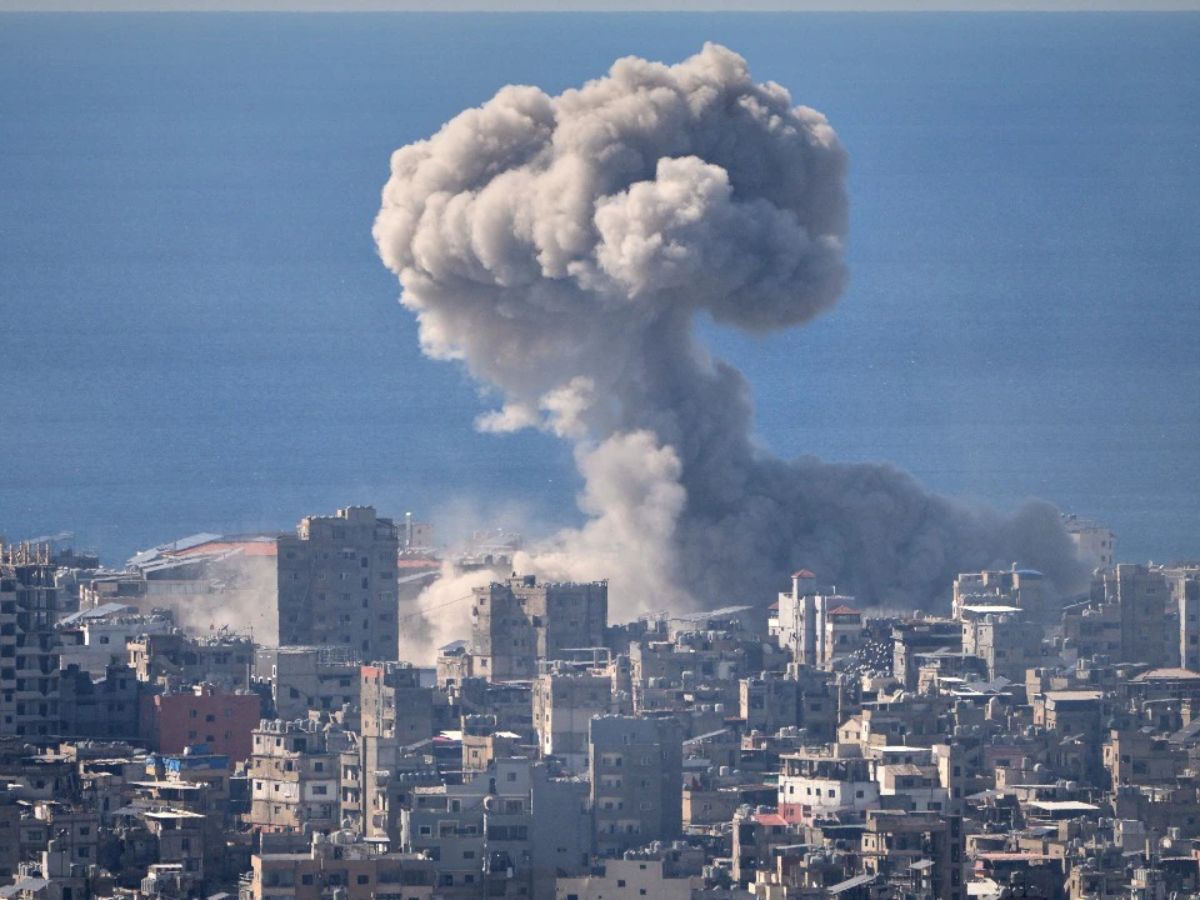
The ongoing war involving the United States, Israel, and Iran is no longer just a foreign policy issue, it has rapidly evolved into a defining domestic political challenge within the United States. Since the conflict began in late February, political divisions have deepened, public pressure has intensified, and the war is increasingly influencing governance, economic outlook, and the national mood.
Leadership and executive pressure
President Donald Trump has taken a central role in directing the military campaign alongside Israel, framing the strikes as necessary to counter Iran’s military capabilities and deter long-term threats. The administration maintains that rapid, decisive action was required and continues to defend the legality and necessity of its decisions.
However, the scale and speed of the military response have drawn scrutiny. Critics argue that the administration risks entangling the United States in a prolonged regional conflict without a clearly defined endgame. Questions around strategic objectives, whether deterrence, regime pressure, or broader regional containment, remain central to the debate.
Congressional divisions and constitutional debate
The war has exposed sharp divisions within Congress. Lawmakers are split not only along party lines but also within them.
Some members support the administration’s actions as a necessary response to security threats, while others argue that the president bypassed Congress in authorizing military strikes. This has revived longstanding debates over war powers and the constitutional requirement for legislative approval in sustained military engagements.
Several lawmakers are now pushing measures to reassert congressional authority, raising the possibility of a broader institutional confrontation between the executive and legislative branches.
Public opinion and protest movements
Across the country, protests have emerged in major cities including New York City, Washington, D.C., and Los Angeles. Demonstrators have voiced opposition to both the war with Iran and broader U.S. involvement in Middle Eastern conflicts.
Public opinion remains divided. While a segment of the population supports strong military action, a significant portion expresses concern about the risks of escalation, potential casualties, and the financial cost of another extended overseas war. The current climate echoes domestic tensions seen during the Iraq War, when public support shifted over time as the conflict expanded.
Economic pressure and domestic impact
The conflict is already affecting the U.S. economy. Rising global oil prices, driven by instability in key shipping routes and fears of supply disruption, are contributing to increased fuel costs domestically. These pressures risk feeding inflation and slowing economic growth, making the war an immediate concern for households.
Economic strain historically plays a significant role in shaping political outcomes, and the current trajectory suggests that financial concerns could become as influential as security considerations in public debate.
Electoral implications
With elections approaching, the war is emerging as a central campaign issue. Political candidates are increasingly framing their positions around national security, economic stability, and the limits of U.S. military involvement abroad.
Voters are likely to weigh competing priorities: the perceived necessity of confronting Iran against the risks of escalation and domestic cost. As a result, the conflict could significantly influence voter turnout, campaign messaging, and electoral outcomes across multiple levels of government.
What may happen next
In the near term, several developments are likely to shape the U.S. political landscape:
Increased legislative action:
Congress may attempt to pass measures limiting or defining the scope of military engagement, intensifying institutional tensions.
Escalating public pressure:
Protests could grow if the conflict expands or U.S. casualties rise, further influencing political discourse.
Economic spillover:
Continued instability in energy markets may deepen domestic economic concerns, amplifying political consequences.
Policy recalibration or escalation:
The administration may face pressure either to define a clearer exit strategy or to escalate further, particularly if regional dynamics worsen.
The Iran war has quickly become a pivotal issue within the United States, affecting not only foreign policy but also domestic governance, economic stability, and political cohesion. With no clear resolution in sight, the situation remains fluid.
In the immediate future, the trajectory of the conflict abroad will be closely tied to political developments at home, ensuring that the war continues to shape the United States well beyond the battlefield.